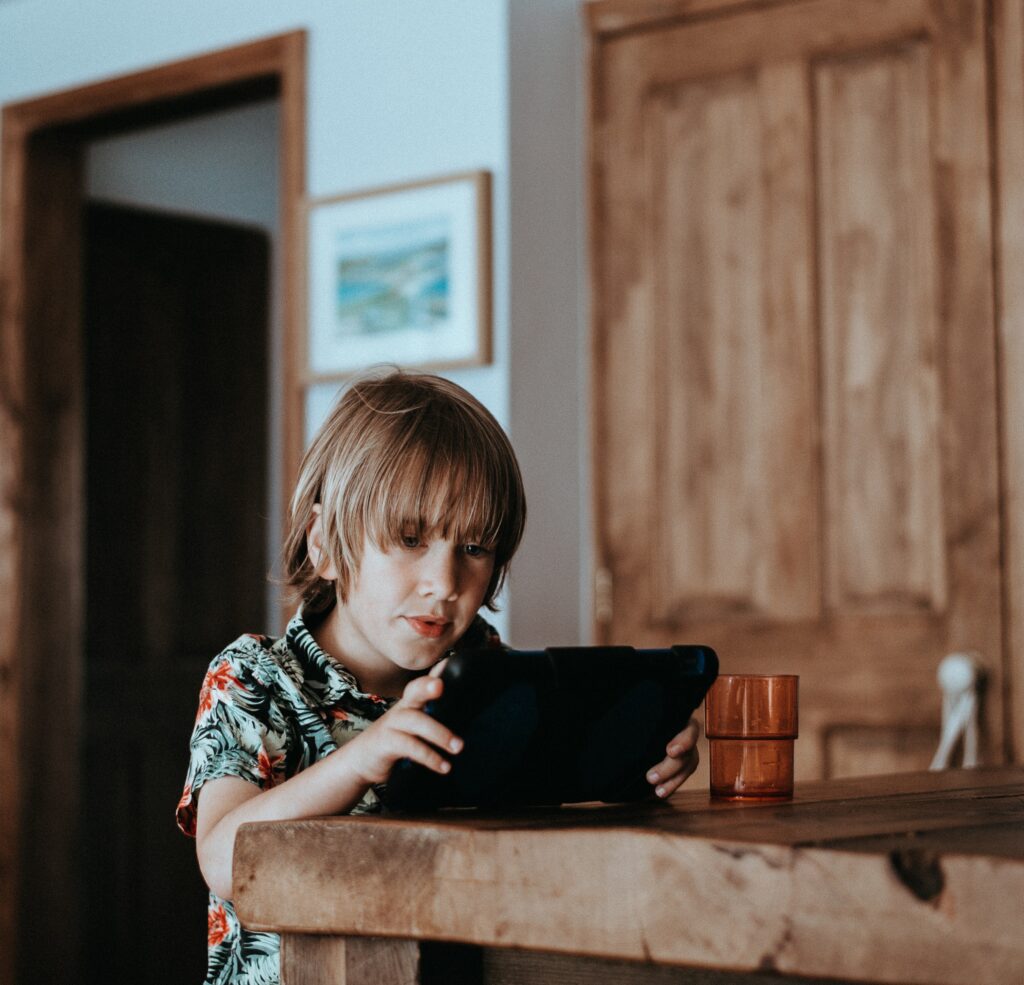
Flipped Learning
“Flipped Learning is a pedagogical approach in which direct instruction moves from the group learning space to the individual learning space, and the resulting group space is transformed into a dynamic, interactive learning environment where the educator guides students as they apply concepts and engage creatively in the subject matter.” (Flipped Learning Network)
The flipped learning model provides students with individualized learning opportunities. Each student is unique and works differently in different contexts. This model allows students to “move at their own pace and review what they need when they need to.” (Edutopia). As well, it opens up opportunties for teachers to work one-on-one with students to support their content learning.
Certainly, now that we have experienced COVID-19 and its lasting effects on our society, students are more frequently sick at home. This model gives students the ability “to catch up on missed lessons easily through the use of video and online course tools.” (Edutopia). The flipped learning model gives students more opportunties to learn in the ways that work best for them.
One of the biggest disadvantages is the lack of access for students in a variety of circumstances. Not every household has an electronic device available for a child to use for periods of time. One teacher explained a situation where this would not be possible: a single mother with four kids and the only device is a cellphone. During the height of COVID-19 and the lockdowns, this mother was incredibly stressed, while her children were unable to meet their educational requirements.
As well, digital learning does not suit every student, so flipping every classroom would negatively affect those students. In particular, as educators, parents and caregivers, we must be careful to encourage moderation when it comes to technology use. I certainly feel negative health effects when I spend all day on a computer, so to think of children with their developing brains and bodies… Personally, I would encourage students to take frequent breaks from technology and spend time outside being active.
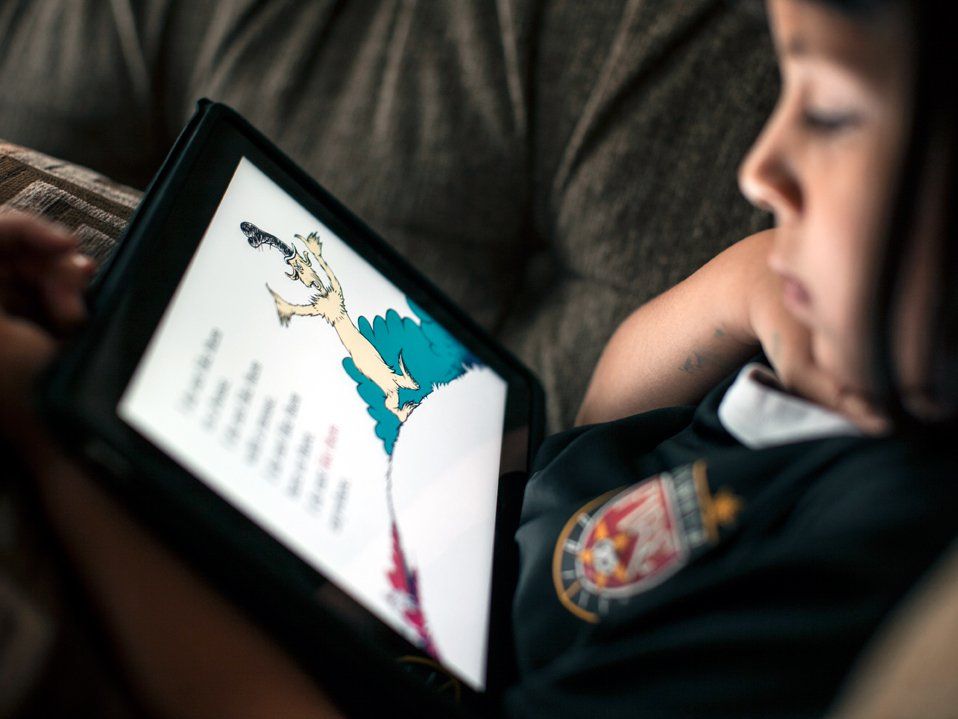
Multi-Access Learning
“Multi-access learning: a mix of modes, including a concurrent mix of face-to-face and online learners connecting synchronously via video, and asynchronous connection. The extent to which a learner has freedom to choose their mode varies.” (EdCan)
I feel it is super important for educators to design and run their classes with all students in mind. Multi-access learning allows for different types of entry points into the class. It may be virtual or in person, but this opens up opportunities for students who do not learn in the expected manner. For me, I think of my schooling history where I struggled to attend due to mental illness. With a multi-access model, I would have a lot more independence and opportunity to continue learning without the need of physically being in the classroom. It definitely opens up a lot of opportunties for disabled students to continue to engage with their learning.
This article from UVic gives educators suggestions on how best to support multi-access learning.
Blended Learning
“Blended or hybrid learning: a consecutive mix of face-to-face and online learning, with all learners being required to participate in each mode. (The term “hybrid” has been misused to refer to both concurrent and consecutive mixing of online and face-to-face components, making it unclear to learners what is expected of them.)” (EdCan)
The following pros and cons of blended learning comes from Guide to Schools.
According to the University of Waterloo, many instructors, parents and students favour blended learning because it can:
- Increase the amount and quality of faculty-to-student and student-to-student interaction.
- Help students prepare for class discussions or lab work.
- Increase opportunities for active and collaborative learning and assessment before, during and after lectures.
- Allow class time to be spent on active learning activities by shifting background or foundational content to the online environment.
- Facilitate more varied and engaging media for presenting course material.
- Address learning bottlenecks via new types of interactive and independent learning activities.
- Allow students to access course materials when and where they want, at their own pace.
- Help to create a sense of community in large classes.
While there are many benefits to blended learning, there are a few negatives to this style of education:
- It relies heavily on technological dependence. Tech resources and tools need to be reliable, easy to use and up-to-date in order for the use of the internet to have a meaningful impact on the learning experience.
- Flaws in course design can lead to student confusion and isolation if not properly executed.
- IT literacy can serve as a significant barrier for students attempting to get access to course materials.
- The flexibility of setting your own pace can result in students falling behind on reading and course materials if not adequately coached and supported.
- Selecting the appropriate platform for each lecture can be time consuming for teachers who find themselves preparing both in-class and online seminars.
3D Design
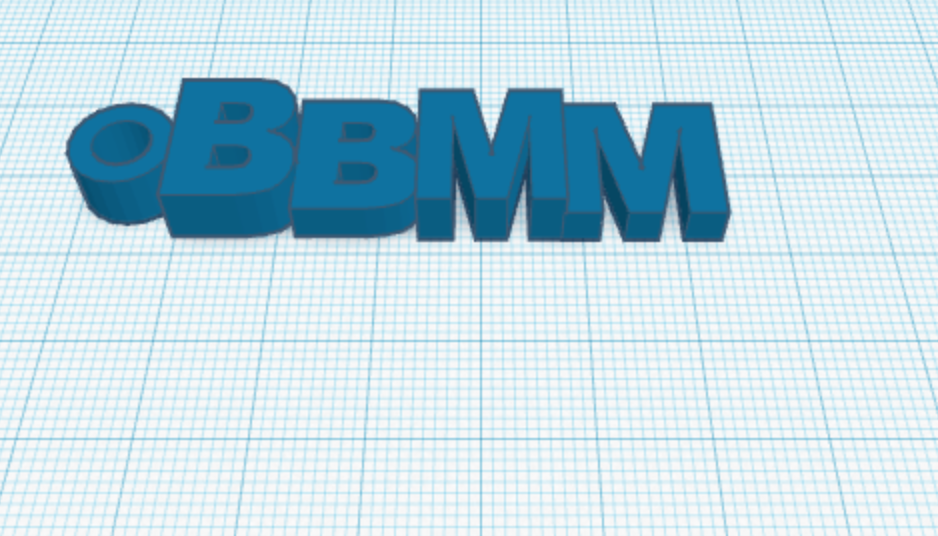
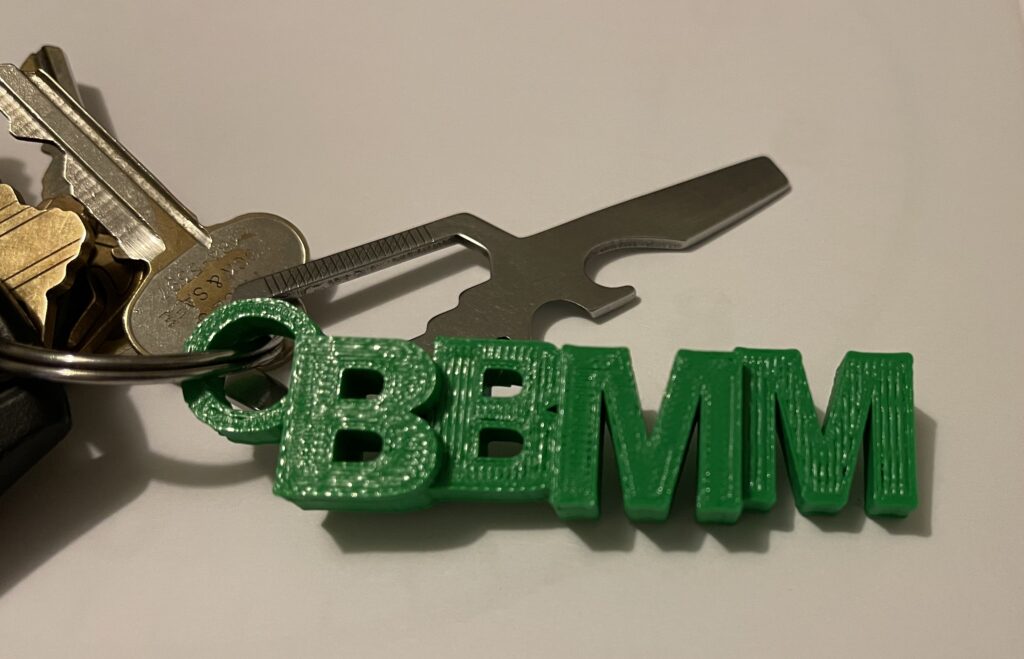
During the technology class, I was able to explore TinkerCad and create my very own 3D printed keychain. “Tinkercad is a free online collection of software tools that help people all over the world think, create and make. We’re the ideal introduction to Autodesk, a leader in 3D design, engineering and entertainment software.” (TinkerCad)
Leave a Reply
You must be logged in to post a comment.